DISCOVERY | Daft Punk
The 2001 masterpiece that turned house music into a pop culture supernova, blending robotic soul with nostalgia
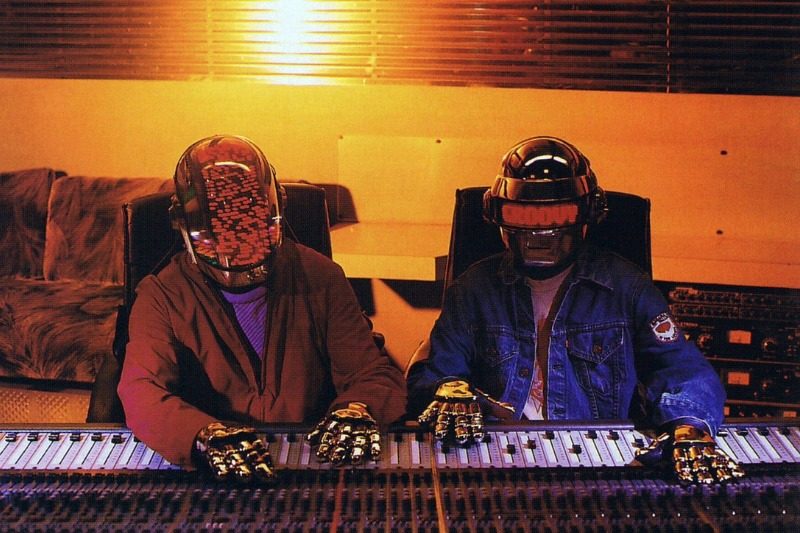
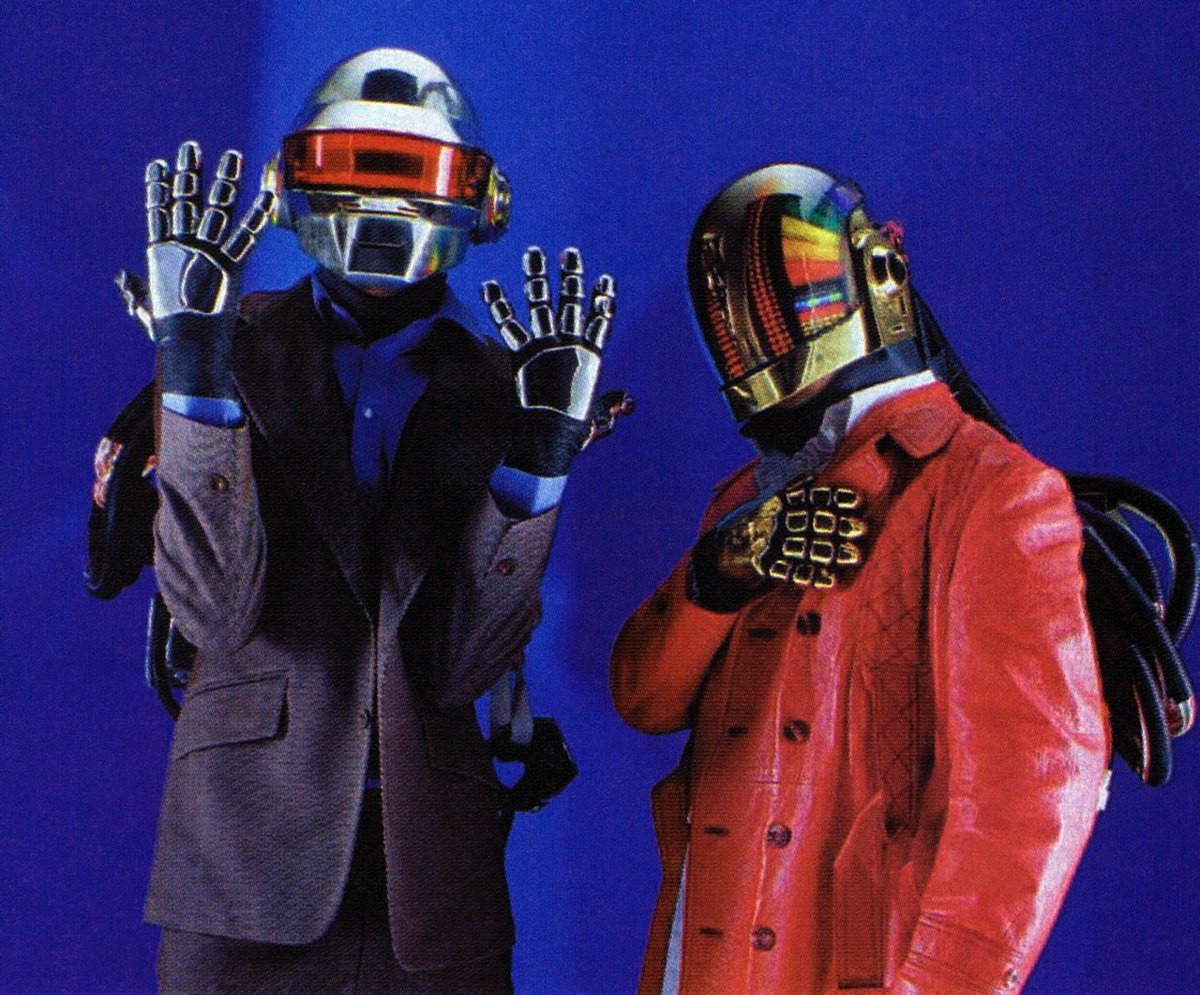
Released on March 3, 2001, Thomas Bangalter and Guy-Manuel de Homem-Christo donned their helmets for good. Discovery wasn't just an album; it was a manifesto. It took the grit of their debut, Homework, and polished it into a dazzling, chrome-plated dream of 1970s disco and 80s arena rock. This groundbreaking album expanded Daft Punk's already large fan base while also changing their style to one that is known until this day. Across genres, The album is still evident. A key part of Discovery's legacy is its visual storytelling. The album was released in tandem with Interstella 5555, a full-length anime film created in collaboration with legendary Japanese artist Leiji Matsumoto. Each track from the album correspended to a segment of the film, creating a worldess, sic-fi saga of an alien band abducted and explioted on Earth. It served as a model for electronic producers, influencing artist such as Madeon and Justice. In addition to electronic music, its popularity across genres served as an insiration for innumerable pop, hiphop, and R and B musicians, demonstrating that electronic music could evoke strong emotions and be relatable to all listeners.

The album’s opening track, "One More Time," is perhaps the most joyous use of Auto-Tune in
history. It didn't sound like a machine trying to be a human—it sounded like a human finding liberation through the machine. This duality is what makes Discovery immortal.
.webp)
Tracks like "Digital Love" and "Something About Us" introduced a vulnerability rarely seen in electronic music. They were love songs for the digital age, composed of samples that felt like memories we all shared, even if we couldn’t place the original source.